
Street Food Start‑Up Costs In The Uk: How Much You Really Need To Invest
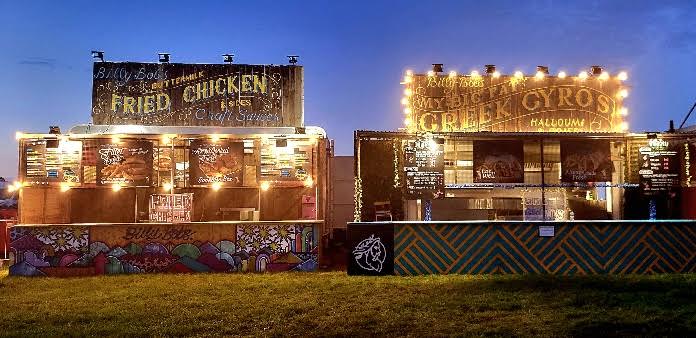
Side streets and lay-bys can be fantastic spots for a street food business, but they usually require the right licence and a clear understanding of your start-up costs. Street food offers a more flexible, lower-cost alternative to traditional restaurants, while still giving you the chance to build a highly profitable business if you get the basics right.
Brick-and-mortar restaurants come with high rents, fit-out costs and long leases, making them a big financial gamble. By comparison, a street food van or trailer demands a smaller initial outlay and lets you test locations, menus and concepts with far less risk. With good food, smart branding and the right pitch, many traders go on to generate very strong profits from relatively modest setups.
Typical purchases in this bracket include:
This level is perfect for testing your concept, menu and locations before committing more serious money.
You might invest in:
Possible purchases include:
You might choose:
Why street food is attractive
Brick-and-mortar restaurants come with high rents, fit-out costs and long leases, making them a big financial gamble. By comparison, a street food van or trailer demands a smaller initial outlay and lets you test locations, menus and concepts with far less risk. With good food, smart branding and the right pitch, many traders go on to generate very strong profits from relatively modest setups.
Start-up budget under £5,000
If you are brand new to markets, side streets or lay-bys, a small budget can still get you trading. With under £5,000 to spend, you are generally looking at simple, low-overhead options that allow you to learn the ropes and prove your idea.
Typical purchases in this bracket include:
- A small second-hand trailer, ideal for industrial estates or small pitches
- A trailer-based baked potato oven
- A new gazebo with basic catering equipment
- A brand-new hog roast machine
This level is perfect for testing your concept, menu and locations before committing more serious money.
Investing £5,000–£10,000
Once you are ready to step things up, a £5,000–£10,000 budget opens the door to more professional-looking setups and better earning potential. At this stage, you are likely moving from occasional trading into more regular roadside spots or events.
You might invest in:
- A new small-to-mid-size trailer suitable for markets and local events
- A second-hand van conversion designed for roadside cooking
- A used sandwich or snack truck
- A second-hand ice cream van
- A second-hand kiosk for a licensed pitch or town centre site
- A refrigerated vehicle for buffet deliveries and outside catering
This range helps you look more established and access higher-footfall locations.
Growing to £10,000–£20,000
If you want to position yourself as a serious player in the UK street food scene, a £10,000–£20,000 investment gives you a much more capable setup. Here you are focusing on busy shows, festivals and semi-permanent positions.
Possible purchases include:
- A new mid-range trailer for larger shows and high-traffic events
- A larger new trailer for markets, or a newer small van conversion for roadside trading
- A new kiosk for semi-permanent town centre pitches
- A premium second-hand ice cream van
This level of spend can significantly improve your capacity, presentation and earning potential.
Stepping up to £20,000–£50,000 and beyond
With £20,000–£50,000 to invest, you are moving into big-player territory and can equip yourself for almost any setting. Your focus shifts towards high-volume events, strong branding and multiple income streams.
You might choose:
- A brand-new premium trailer for major shows and large events
- A top-of-the-range kiosk fitted with high-quality coffee machines and specialist equipment
- A new sandwich delivery truck
- A delivery or vending franchise operating across several locations
Once you go beyond £50,000, you are approaching the investment levels of small brick-and-mortar sites or very large bespoke food trucks. At that point, you will need to decide whether to stay mobile with a high-end unit or redirect that capital into a fixed site.
Final thoughts on risk and reward
Street food is an industry that tends to reward hard work, creativity and consistency, but no investment is completely risk-free. Before you commit to a pitch, trailer or van, be honest with yourself about your budget, earning expectations and appetite for long hours and seasonal trading. Take time to research licences, regulations and realistic sales figures so that whatever level you invest at, you are doing it with a clear plan and open eyes.